


type size 

- Home
- About
- About N-YHS
- Building Expansion
- President and CEO
- Letters from Louise Mirrer
- Board Of Trustees
- Highlights 2018-19 >
- Staff Directory
- Strategic Plan
- Collections Policy
- Financials
- Volunteer
- Rights & Reproductions
- Book Prizes
- Privacy Policy
- Donor Privacy Policy
- Contact us
- Letter in Support of the NEH, IMLS and NHPRC
- Naturalization Ceremony
- Terms of Use
- Careers
- Press
- News Coverage
- Press Releases
- Press Kits
- Aristotle: From Antiquity to the Modern Era
- Art for Change: The Artist & Homeless Collaborative
- Audubon’s Birds of America Gallery
- Billie Jean King Archive
- Close Encounters in the Colonies: Treasures from the David M. Rubenstein Americana Collection
- DiMenna Children's History Museum
- Fourth Floor Exhibition Images and Highlights
- Holiday Express: Trains and Toys from the Jerni Collection
- Interior/Exterior
- Meet the Presidents
- Monuments: Commemoration and Controversy
- New-York Historical Society Opens Transformed Fourth Floor
- Notorious RBG: The Life and Times of Ruth Bader Ginsburg
- Scenes of New York City: The Elie and Sarah Hirschfeld Collection
- “Turn Every Page”: Inside the Robert A. Caro Archive
- Digital Resources
- Blogs
- Social
- sign up for e-news
- Visit
- Exhibitions
- Current Exhibitions
- Art for Change: The Artist & Homeless Collaborative
- Holiday Express: Toys and Trains from the Jerni Collection
- The Waldorf Astoria Lobby Clock
- "Turn Every Page": Inside the Robert A. Caro Archive
- Scenes of New York City: The Elie and Sarah Hirschfeld Collection
- Audubon Birds of America: Krystyna Doerfler Focus Gallery
- Notorious RBG: The Life and Times of Ruth Bader Ginsburg
- Close Encounters in the Colonies
- Meet the Presidents and the Oval Office
- Gallery of Tiffany Lamps
- Objects Tell Stories
- Special Installations
- Future Exhibitions
- Traveling Exhibitions
- Online Exhibitions
- Past Exhibitions
- Current Exhibitions
- Collections
- Library
- Programs
- Women's history
- Exhibitions
- We Rise
- Public Programming
- Scholarly Initiatives
- Education
- Massive Open Online Course
- Women and the American Story: A Curriculum Guide
- The New Republic and Early Reformers
- Introduction
- Module 1 - Unofficial Politician: Dolley Madison in Early Washington
- Module 2 - Breaking the Rules: Women Reformers, 1800-1860
- Introduction
- Life Stories
- Resources
- Resource 10: Benevolent Societies
- Resource 11: Catharine Beecher’s Campaign Against Indian Removal
- Resource 12: Women, Quakers, and Reform
- Resource 13: Fire at Pennsylvania Hall
- Resource 14: Fashion Plates
- Resource 15: Women Abolitionists in London
- Resource 16: The New York State Married Women’s Property Law
- Resource 17: Reactions to Seneca Falls
- Resource 18: Bloomers
- Supplemental Materials
- Download All
- Credits
- The New Republic and Early Reformers
- Women in the Archive
- Blog: Women at the Center
- Children's Museum
- Education
- For Homeschoolers
- For Schools
- For Educators
- Workshop Calendar
- Custom Professional Learning
- Educational Videos
- Curriculum Library
- Remote Lesson Plans
- NEH Summer Institute for School Teachers
- About the Institute
- Application Information and Instructions
- Project Directors
- Institute Faculty
- Schedule and Assignments
- Stipend and Expectations
- Housing, Logistics, and Academic Resources
- Previous Institute Participant Lessons
- Contact Us
- American Women, American Citizens: 1920-1948 (2020 Institute)
- How to Apply
- Logistics and Academic Resources
- Participant Eligibility and Selection
- Schedule and Assignments
- Teacher Ambassadors
- For Teens
- Citizenship Project
- Higher Education
- Rental
- Support
- Shop
- Dine
- Reservations
Museum & Library Map
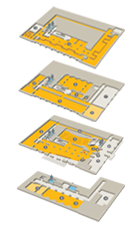
Floor plan & visitor information

Address
New-York Historical Society
170 Central Park West
at Richard Gilder Way (77th Street)
New York, NY 10024
Phone (212) 873-3400
TTY (212) 873-7489
Connect with us


Hours
| Monday – Tuesday | CLOSED |
| Wednesday – Thursday | 11 am – 5 pm |
| Friday | 11 am – 8 pm |
| Saturday – Sunday | 11 am – 5 pm |
Creative: Tronvig Group